

















By Ahmed Balarabe Sa’id
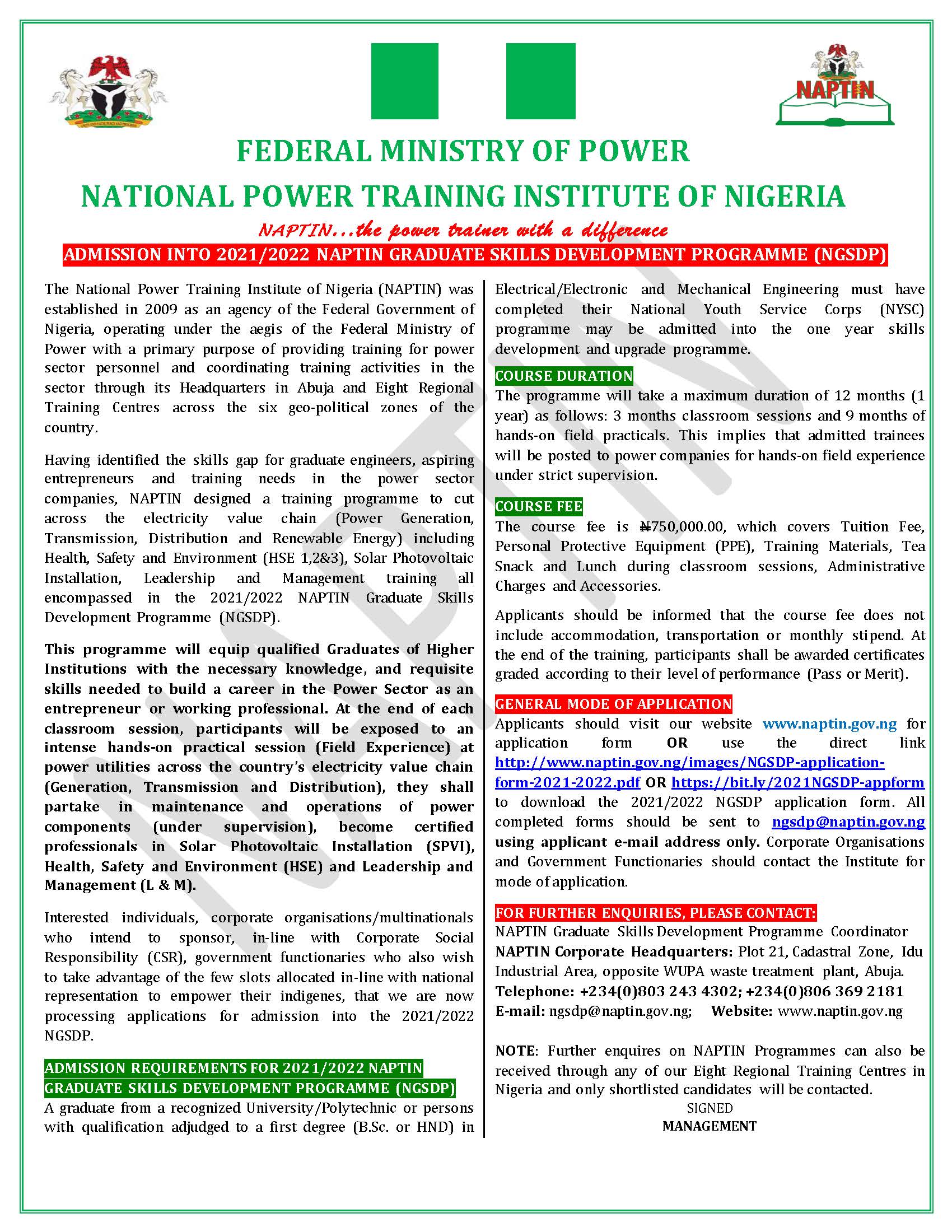
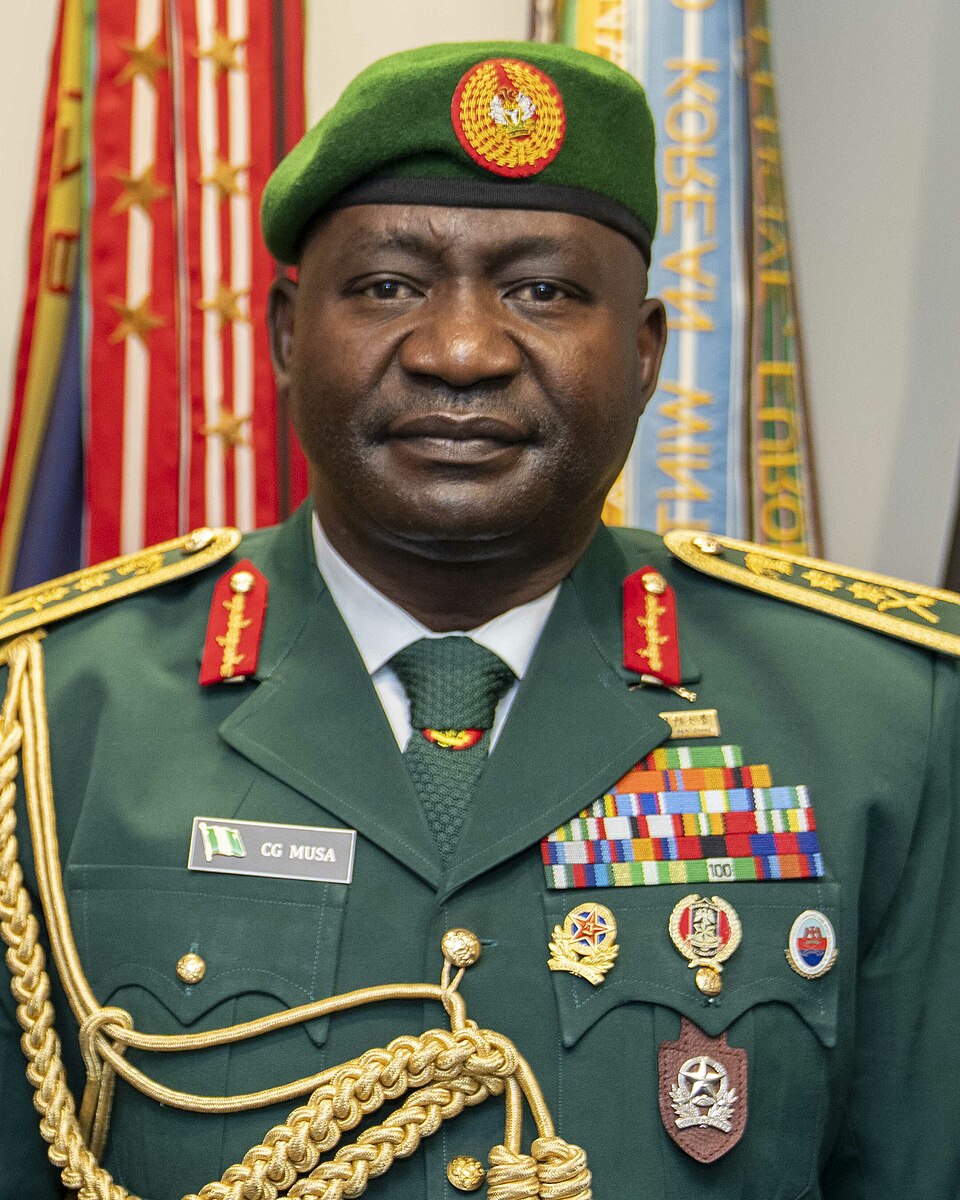
The resignation of Defence Minister Badaru and the widely speculated ascent of General Christopher Musa to the cabinet is a profound recalibration of the Nigerian state in response to a perfect storm of existential threats. This move acknowledges that the nation’s security architecture, long corroded by political management, has become perilously brittle, both against internal insurgencies and against the specter of political collapse that now haunts the West African region.
The wave of military takeovers sweeping across the Sahel, from Mali to Burkina Faso, Niger, and Guinea, represents a contagion and constitutes a clear and present danger. This context transforms Tinubu’s decision to reconfigure the country’s defence from a domestic policy adjustment into a preemptive act of national preservation. It is equally hard to rule out the longstanding alienation of the military constituency of retired, experienced brass, who have been strategically orphaned by political appointees lacking operational literacy in critical postings such as the Ministry of Defence. By appointing General Musa, President Tinubu is performing a crucial act of political inoculation, integrating the military’s highest strategic mind directly into the government and offering a seat at the table to forestall any temptation to seize the entire table.
Thus, the masterstroke is multifaceted. Domestically, the unrelenting kidnappings in schools, the sieges on highways, and continued violence have shattered the logic that valued political capital over kinetic action. Like their South West counterpart, the recent Northern Governors’ security summit, with its resolve to pursue regional security funding and state police, was a bellwether of collapsing federal credibility. Simultaneously, the international community, led by the United States’ earlier stern designation of Nigeria as a “Country of Particular Concern,” applied a different, colder pressure, linking sovereignty to performance and threatening isolation. But overlaying it all is the regional coup plague, making Nigeria’s stability a continental imperative.
Tinubu’s response to this tripartite crisis is to bet on a singular symbol of robust, professionalized security: Gen. Christopher Gwabin Musa. Domestically, Gen. Musa represents the embodiment of a long-promised, no-nonsense onslaught. To international partners, he is a signal of serious, accountable intent, a firewall against further geopolitical estrangement. And most critically, to the nation’s own armed forces and to the watching eyes of coup-makers in the region, he is a powerful statement that the military’s counsel is now enshrined at the highest level, its honor and professionalism tied directly to the survival of the democratic project. The “impregnable security architecture” being sought is therefore as much about hardening the state against external and internal militant threats as it is about fortifying the democratic order itself against the ideological decay that has felled its neighbors.
Yet, the peril of this integration is historic. Tinubu has not just appointed a competent General but has consciously merged the fate of his civilian administration with the reputation and efficacy of one of the military’s most respected contemporary leaders. Failure is now undeniable and would be catastrophic. If Musa’s ascension to the cabinet does not yield swift and visible results, the narrative of civilian failure becomes complete and uncontestable, originating from within the government itself. Moreover, any heavy-handed action that transgresses human rights norms under Gen. Musa would invite diplomatic reproach.
It is a delicate balance. In effect, the general steps into a cabinet that is also a crucible. He must forge victory in a grueling asymmetric war under global scrutiny, while simultaneously proving that a democracy can indeed harness its military’s full prowess without being consumed by it. Tinubu’s gamble, therefore, is the ultimate political masterstroke: that by giving the soldier the keys to the war room, he can secure the nation’s soul while holding back the tides of anarchy lapping at Nigeria’s borders. Ultimately, the onslaught is not just against bandits and insurgents; it is against the very notion that democracy cannot deliver security.
The battle for Nigeria’s future is now being led from the defence minister’s desk, and its outcome will resonate far beyond any single election cycle, into the fragile heart of West African democracy itself.
Sa’id is a Communication Strategist and Consultant. He writes from Abuja.
Source:
The Africanscholar