
















By Solomon Dalung
So Nigeria wants to break the Lagos port monopoly, and the answer is another major seaport in Ogun?
For years, businesses have complained about the cost and congestion associated with Nigeria’s overdependence on the Lagos seaport for maritime trade. The economic loss from that concentration has been put as high as ₦7.9 trillion annually.
The NPA even talked about shifting greater attention to Warri.
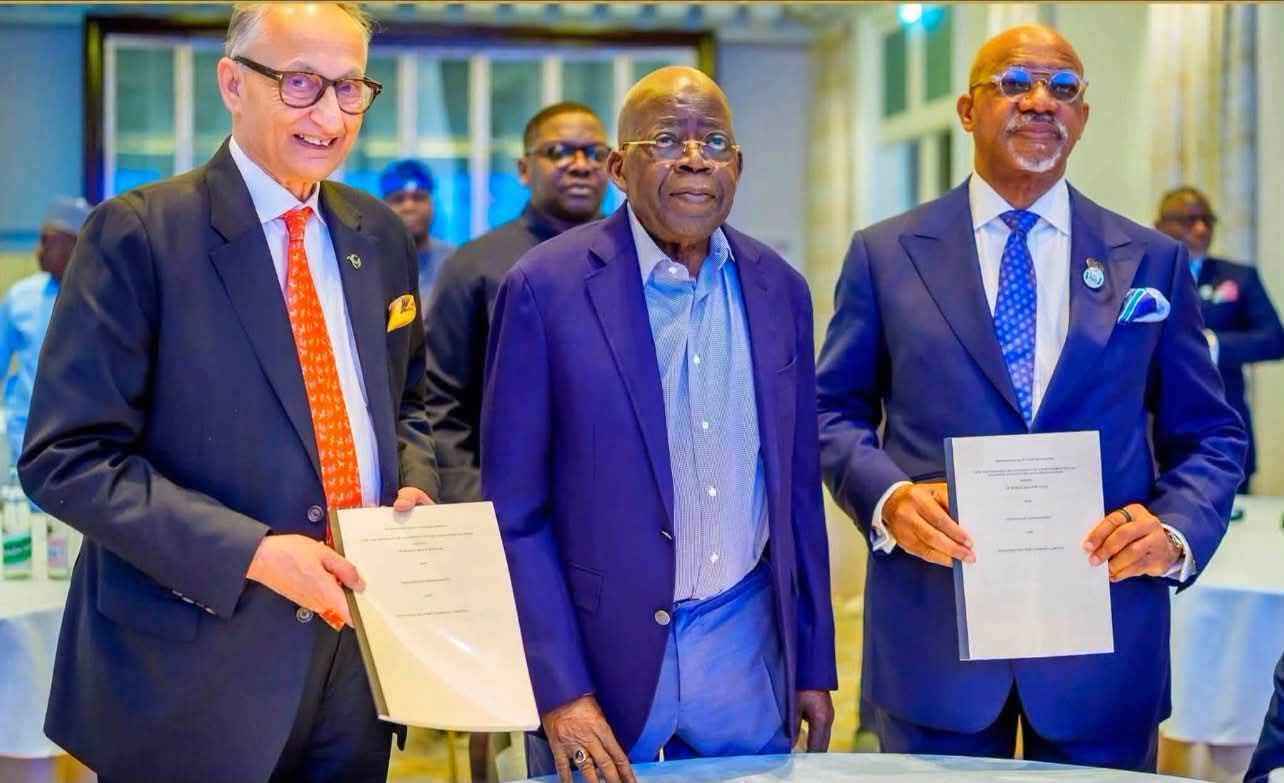
Now, instead of putting the same urgency into making our existing maritime infrastructure work properly, we are announcing a new deep seaport in Ogun Waterside, alongside a 10,000-hectare Blue Marine Special Economic Zone, with an investment package valued at more than $7 billion.
I have no problem with Ogun getting a port.
My problem is the pattern.
We already have maritime assets in the South-South and South-East that have struggled to reach their full potential. If the problem is excessive dependence on Lagos, then the obvious answer should be to develop alternative gateways and connect them properly to the markets they serve.
That is where the North comes in.
The North is not asking for a seaport. We are asking to be connected to Nigeria’s maritime economy.
Kano is a major commercial market. Kaduna has industrial capacity. Plateau and other northern states produce huge quantities of agricultural commodities. Across the region, businesses need machinery, fertiliser, raw materials and finished goods coming through the ports.
Yet every container travelling hundreds of kilometres from the coast to the North carries the additional burden of transport, bad roads, inefficient logistics and delays.
Who eventually pays for that?
The Nigerian consumer. The farmer. The manufacturer. The trader. Everybody.
If we can mobilise more than $7 billion around a new coastal project, why can’t the same country build the rail freight, inland dry ports, highways and logistics corridors needed to connect the existing maritime gateways to the North?
And this is where I am even more concerned:
Are we actually decentralising Nigeria’s maritime economy, or are we simply creating another powerful port corridor in the same part of the country?
Because building a new port does not automatically solve the problem of concentration.
If the existing ports remain underutilised, if cargo still depends overwhelmingly on the same economic corridor, and if moving goods to the North remains painfully expensive, then what exactly have we fixed?
Nigeria needs ports that work, not just ports that are announced.
And the benefits of Nigeria’s maritime economy cannot continue to be measured only from the coastline.
The real economy begins where the container leaves the port and reaches the Nigerian who has to pay for what is inside it.
Solomon Dalung, Esq is Nigeria’s former minister of youth and sports development