





















By Peters Ichull
I have discovered that Tiv people don’t like large water bodies. And riverine people, Etulo, Nyifon, Abakpa, Jukun, don’t like deep forests. That single difference explains centuries of Benue history.
Tiv are hill people from Swem. Oral history and colonial records show they lived in Swem, Barakuv and Ngokough hills, then descended into Benue plains as savannah farmers in fans and clans. Their whole technology is forest-clearing, slash and burn, yam heaps, scattered compounds in Guinea savannah.
Tiv cleared what others feared. They killed the leopard, the python, the buffalo in the thickets and turned forests to farm. As agrarian specialists, they produce yam, millet, guinea corn in commercial quantities.
Jukun, Etulo, Nyifon are opposite, they are aquatic people. They live on the Benue, Katsina-Ala, Donga. Their gods live in the water. They know currents, whirlpools, seasonal flooding. Their boys swim before they walk. Their economy is fishing, salt, and canoe carving.
So Tiv conquered land that riverine people could not farm. Riverine people conquered water that Tiv could not navigate. Neither could do the other’s job.
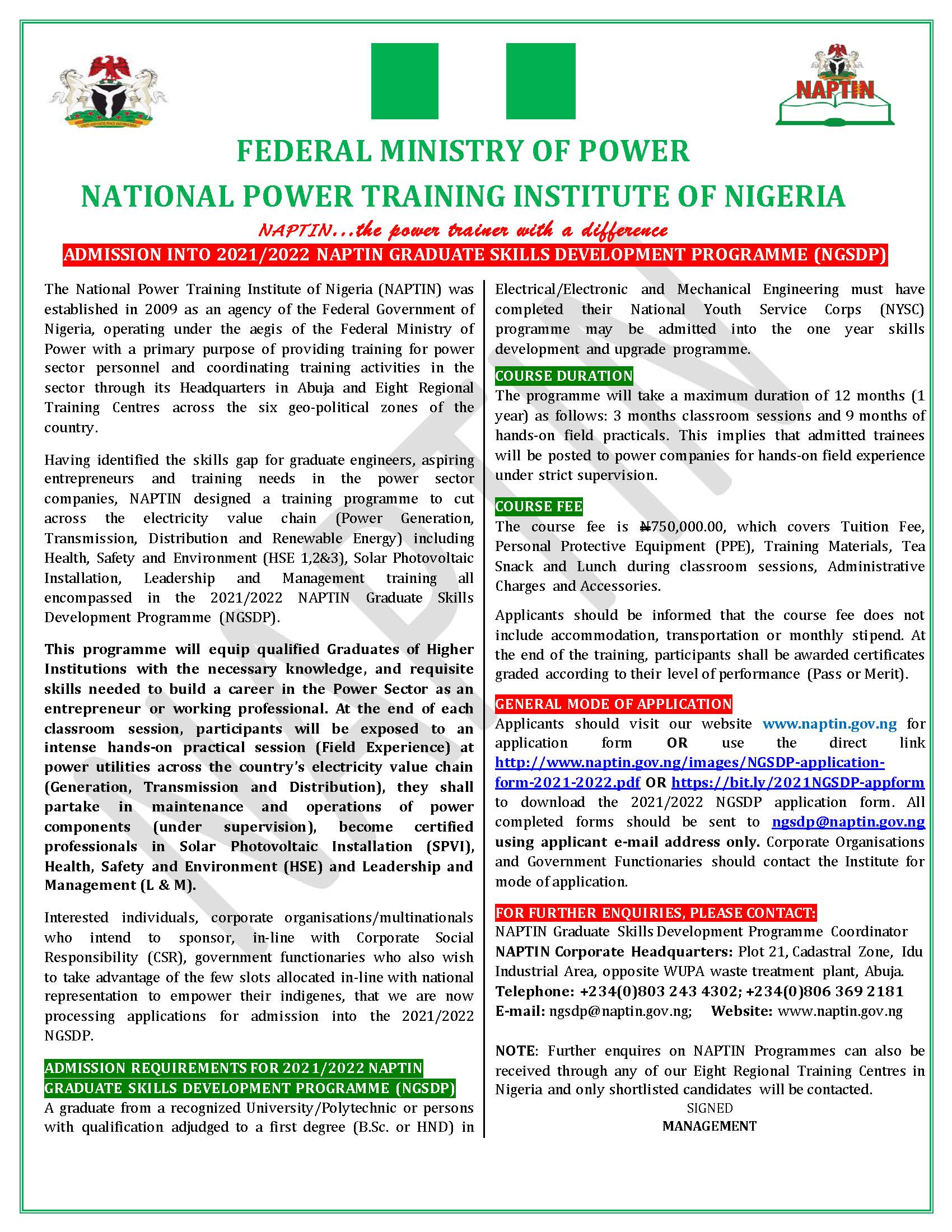
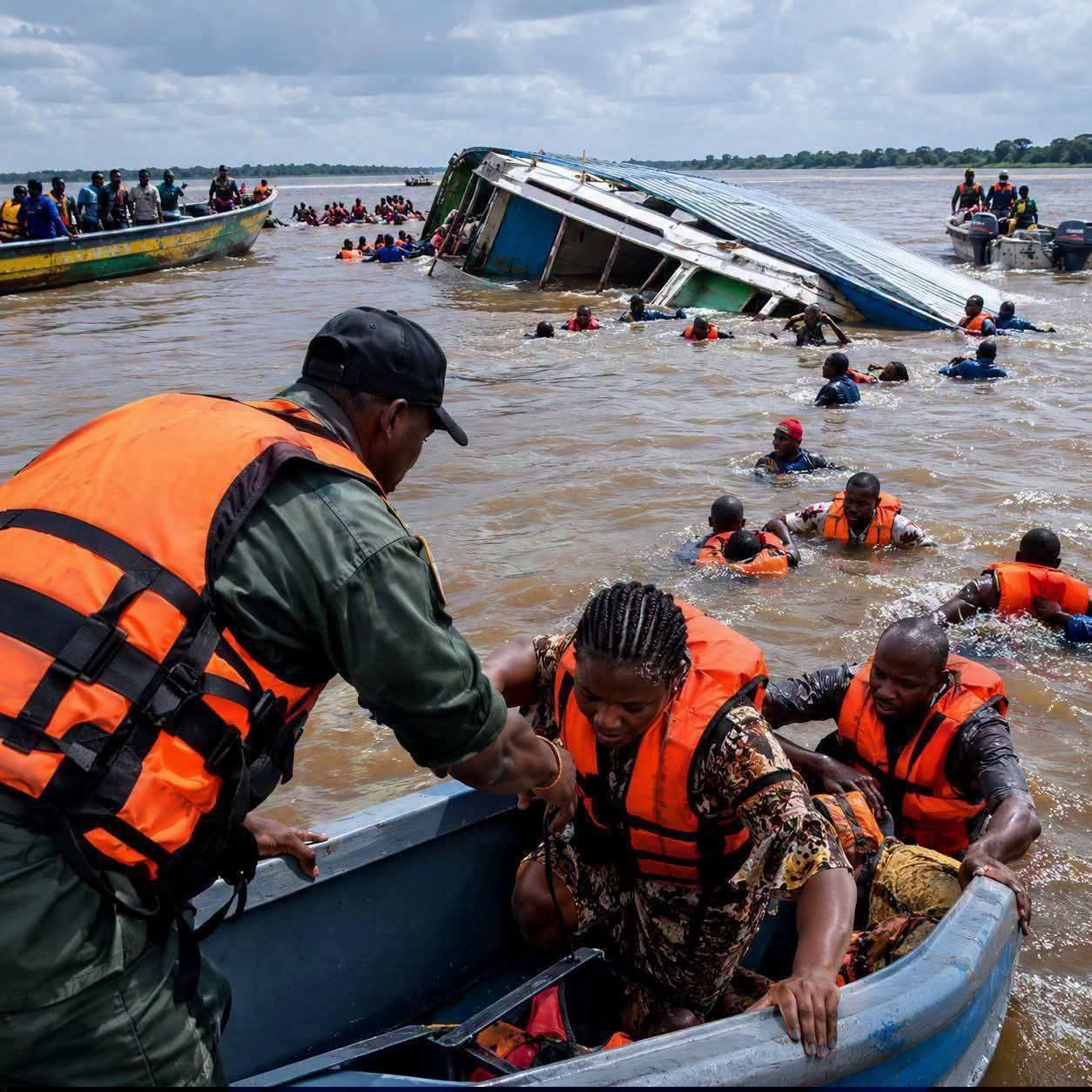
When canoes capsize in Buruku, Katsina-Ala and Abintse, victims are rarely Etulo or Jukun. It is commonly reported that victims go into the wooden boats without life jackets. When an accident occurs, there is panic because they are not conversant with water.
Riverine people survive same mishap because they know how to float till rescue comes. For them, the river has taboos. There are days you don’t cross, sacrifices you must do, songs to appease water spirits. When Tiv ignore those rules, riverine people say “the river showed its power.”
It is not magic. It is skill and spiritual ownership. As one study notes: “Tiv and Jukun who were basically in the Benue valley was characterized by hostility and as well as mutual dependency.”
This ecological failure created peace. Tiv could not get fish. Jukun could not get enough grain. So they traded.
The Jukun brewery ( Pito) industry greatly depended upon the supply of millet which was produced by the Tiv. This aspect of economic specialization fostered economic ties.
Tiv brought yams, millet, Burukutu. Jukun brought smoked fish, salt, and dried meat. That exchange needed neutral ground.
That ground became the great river markets. Abintse became the colonial commercial nerve-centre on Benue. This business was so important that in 1906 Tiv and Jukun allied together to burn Royal Niger Company stores there.
Since they all wanted survival, in the evening, even during land wars, a Tiv man could still cross over to the Jukun side in order to take a calabash of Burukutu. Trade continued.
Etulo call forest evil. Each group spiritually controls what the other fears. That is why Tiv never became water lords, and riverine people never became land lords. Their mutual incompetence became mutual dependence.
If we want to stop boat deaths, we must stop pretending everyone has mastered the river. Tiv tamed the forest, Jukun, Etulo and riverine communities tamed the river, and market tamed both.
The Tiv traditional council should appeal to leaders of riverine communities to find another staple for their river gods, while the use of life-jackets should be enforced.