











By Folorunso Fatai Adisa
The secondary school I attended had a curious rhythm to its afternoons. Between 1:30 and 2 p.m., every day had its ritual. Tuesdays were for Global Affairs. In that long, noisy hall, with rows of students seated like attentive pilgrims, we listened as Mr. Ayo Adesanya (tall, restless, and always smelling faintly of chalk and purpose) paced up and down, reeling out the happenings of the world. He called it “news about the news.” We called it “the window.”
It was there I first encountered names that sounded like hymns, Mobutu Sese Seko, Kenneth Kaunda, Julius Nyerere. Those names carried a lyrical weight, unlike the simple ones we were used to hearing in Nigeria. But one day, Mr. Adesanya mentioned a name that would stay lodged in my young mind: Raila Odinga. It struck me the same way Mandela did when I first heard it. Foreign, rhythmic, and dignified.
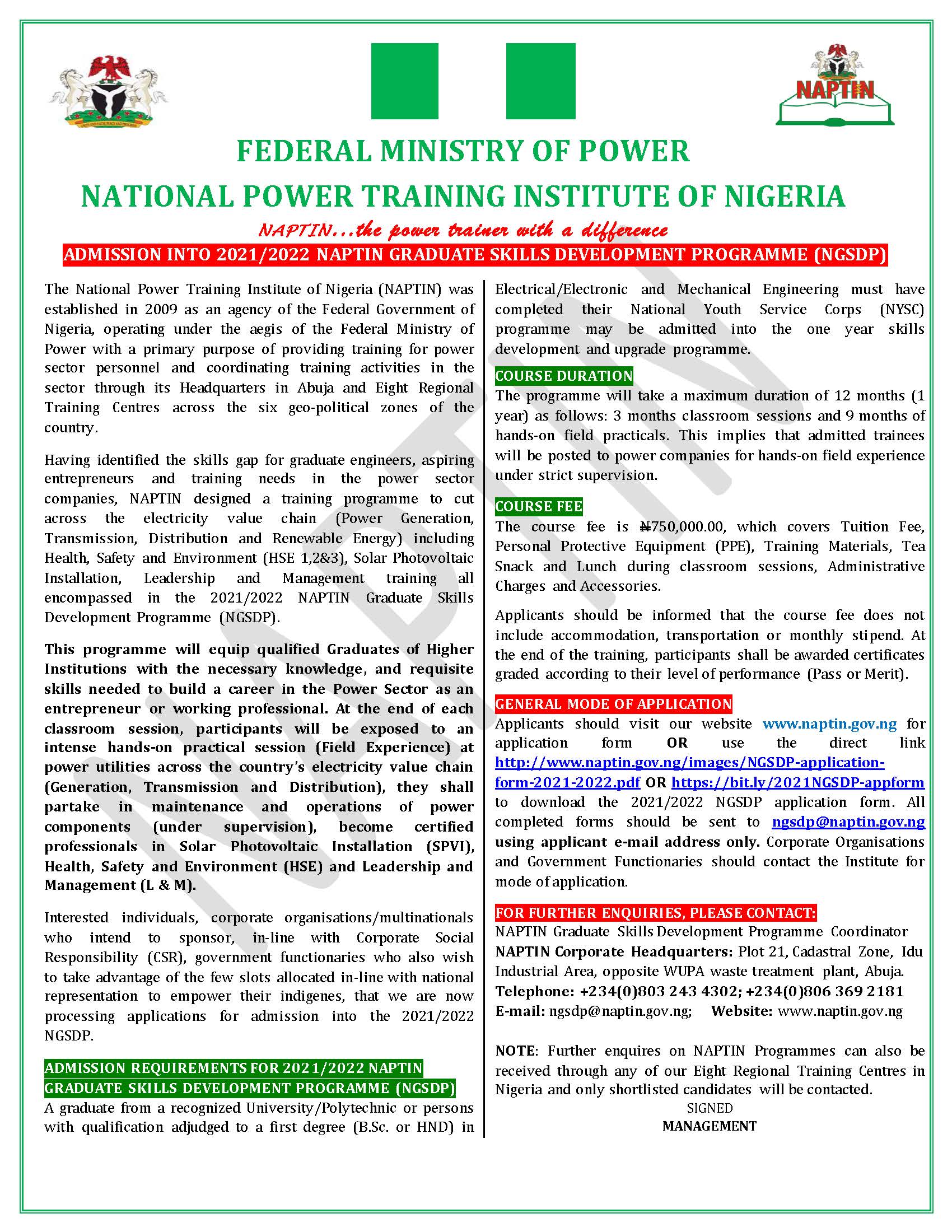
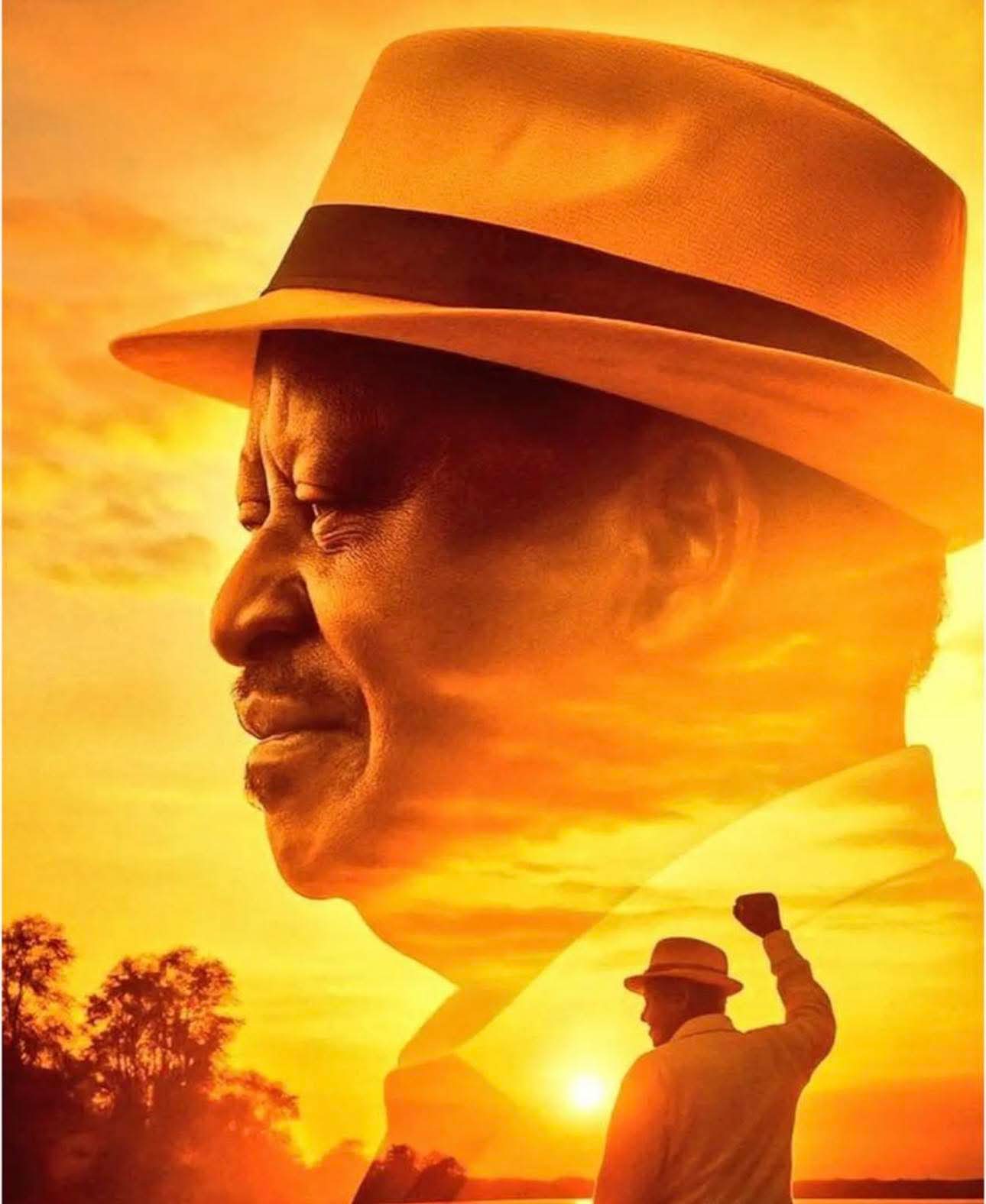
A few days ago, scrolling through my phone, I came across the news that Raila Odinga, the President who never ruled Kenya, had finally gone home. Suddenly, the name that once filled my classroom with wonder now filled my heart with reflection. Since yesterday, every reel I’ve come across has been about him. None spoke of scandal or selfishness; all spoke of his courage, his wit, and his endurance. He had handled the steep contours of Cold War Kenya, stood at the barricades of dictatorship, and cemented his place in both the hearts of ordinary Kenyans and the power elite. Despite his privileged birth, he stood shoulder to shoulder with the restless youth who demanded change.
I have always admired Africans who lived through the colonial twilight. Childhood in that era must have been a haunting blend of sweetness and pain, of hymns sung beneath the heavy boots of empire. In Kenya, the Mau Mau rebellion was the furnace of that generation, a time when freedom was both whispered and weaponized. Even at that, from that soil of violence and repression, Raila Odinga rose. Unbitter, unbroken, unbowed.
He was not flawless, no man who wrestles power ever is. But he carried grace within imperfection. He learned the art of laughter in politics. He used humour to win adversaries and humility to disarm critics. He placed his country before his ego, his people before his pride. Between podiums and prisons, ballots and betrayals, he evolved into the moral conscience of Kenyan politics, a figure both contested and beloved.
What moves me most, however, is that he remained a family man. A husband who made time for his wife. A father who held conversations longer than speeches. That balance between love and leadership is a virtue too rare among Africa’s political class. His life reminds us that public duty should never devour private tenderness.
And then, there was his music. For Raila, music was not just melody, it was medicine. A balm for weary souls. A rhythm that helped the heart steady itself against the chaos of politics. Perhaps that is why, even in death, his name still reverberates across Kenya like a familiar song at dusk.
Raila Odinga is gone, but Kenya will remember his music, his laughter, and his stubborn faith in democracy. I hope that those who clutch power across Africa take a cue from his life. Greatness is not measured by how long one rules, but by how deeply one lives. Sometimes, the truest presidents are the ones who never ruled.